
How communication gets led — not just executed
Five brands, two employers, and one consistent set of decisions — matching the lever to the objective, verifying every number, and adapting a proven format to a new context. This page is organized by capability, not by brand, because the decisions are the point.
A regional marketing career spans five brands and two employers — the risk is that each looks like an isolated project rather than one consistent communication discipline.
Organize the same real evidence by executive capability — celebrity relationships, paid/earned/owned channels, live activation formats, seasonal timing — so the decisions behind the work are visible, not just the results each brand's own Case Study already tells.
The same craft instinct shows up at Xiaomi, Dubai Phone, POCO, and Tecno alike — including years apart, at a different employer.
Celebrity & Talent Marketing
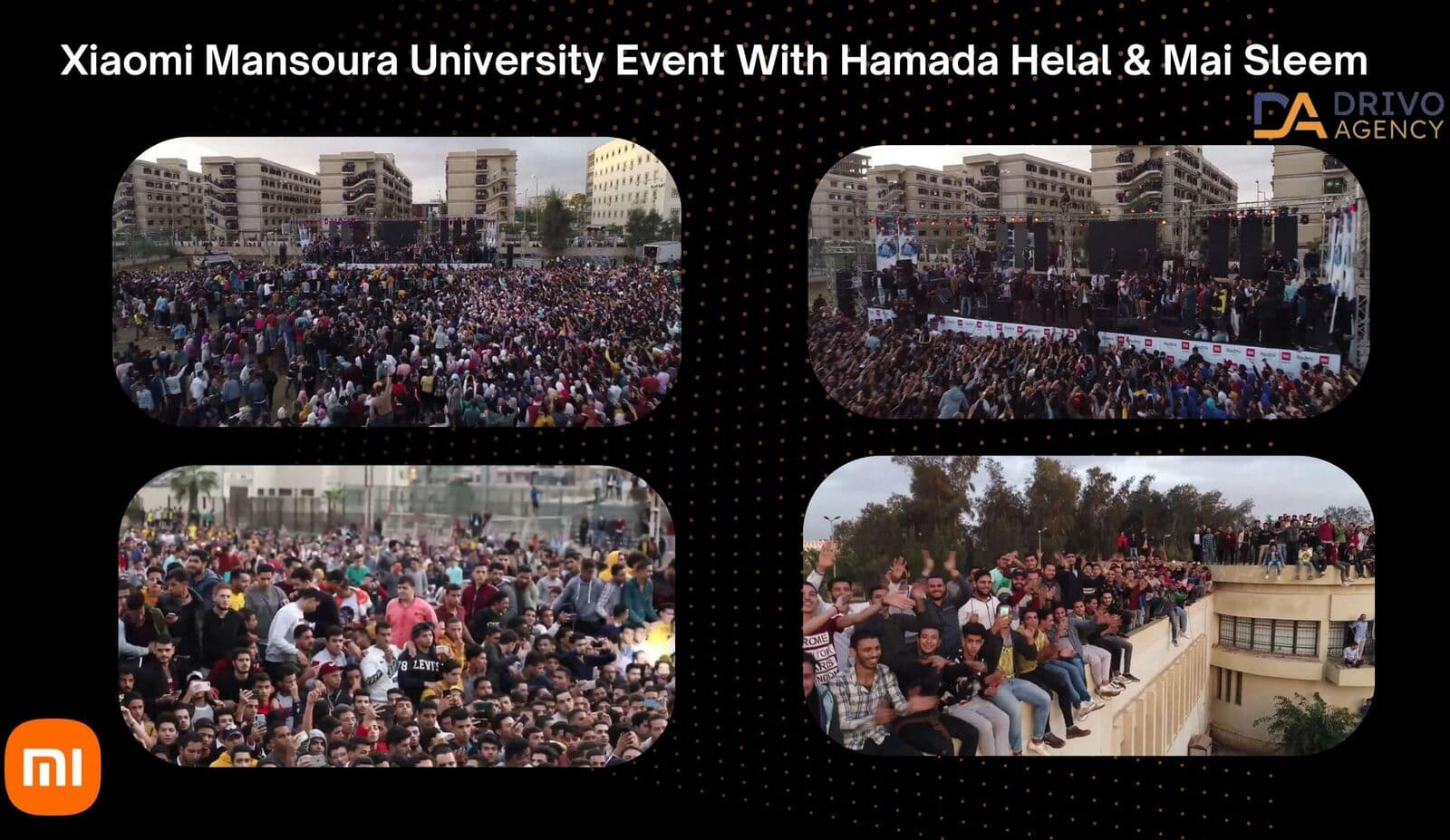
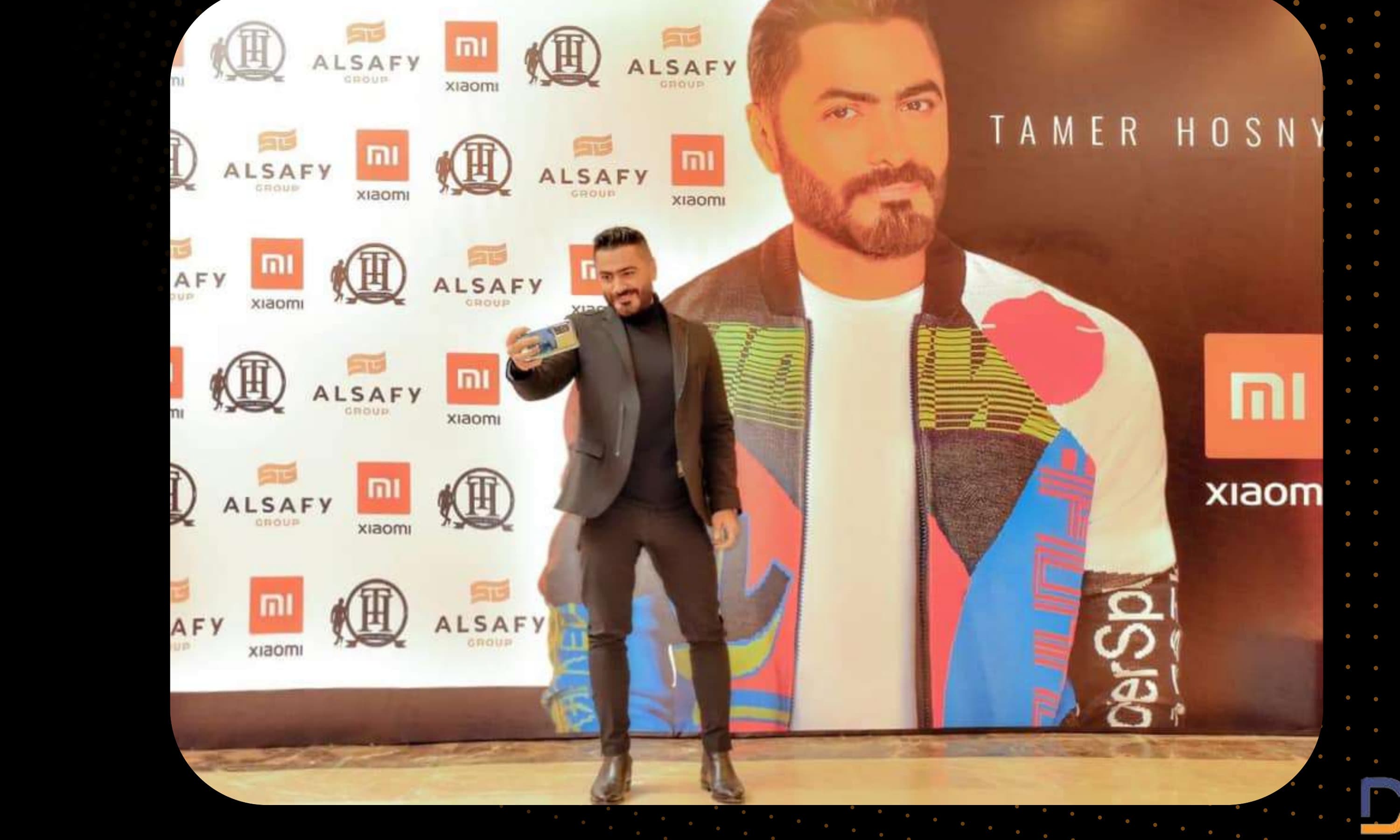
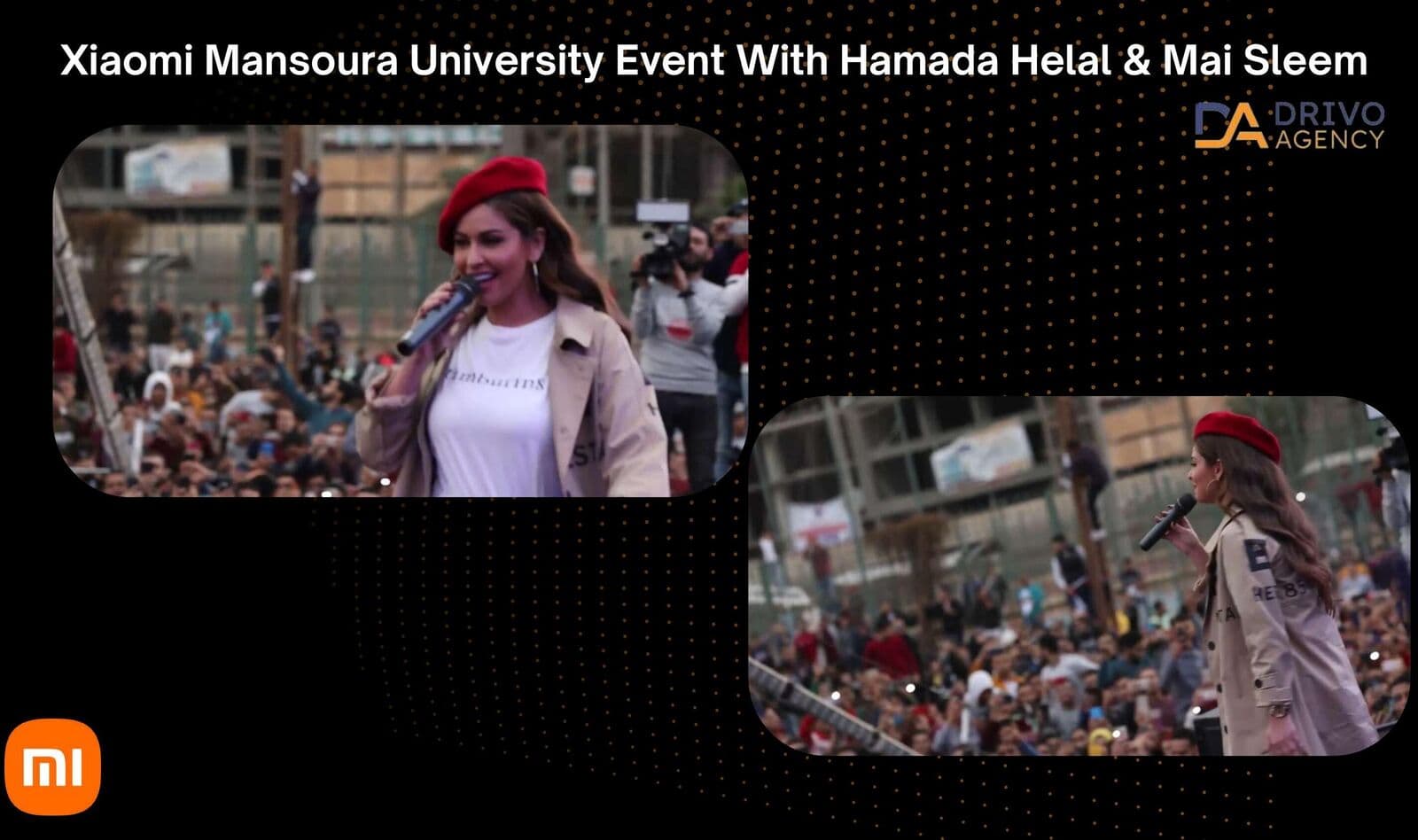
Xiaomi's Tamer Hosny program ran for years, across TVCs, a live performance, and press — a standing relationship built for sustained cultural relevance. Dubai Phone's Motorola relaunch, by contrast, used no celebrity at all and still moved real numbers on product and retail execution alone. Neither approach is the default; each was sized to what the moment needed. The single-event booking at Mansoura University sits between the two — real celebrity talent (Hamada Helal, Mai Sleem), without the multi-year commitment. See Events & Roadshows for how that booking compares to Xiaomi's other live formats.
TV Commercials
Three TVCs, three different jobs. Dubai Phone's Anniversary TVC exists to convert a specific retail moment into revenue. Xiaomi's VFX spot exists to signal production-value and brand prestige, with no retail call to action at all. The Ramadan TVC exists to earn cultural relevance during a specific season. The same craft — casting, production, media planning — gets pointed at whichever objective the business actually needs that quarter, not applied the same way by default.

Billboards & Out-of-Home
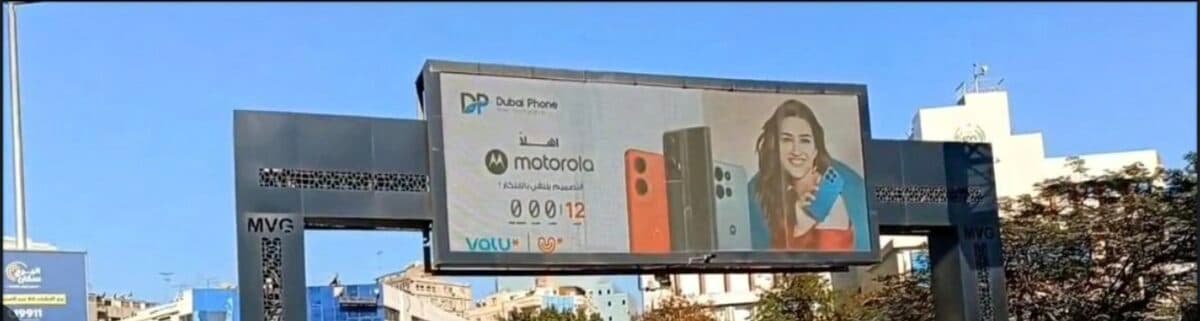
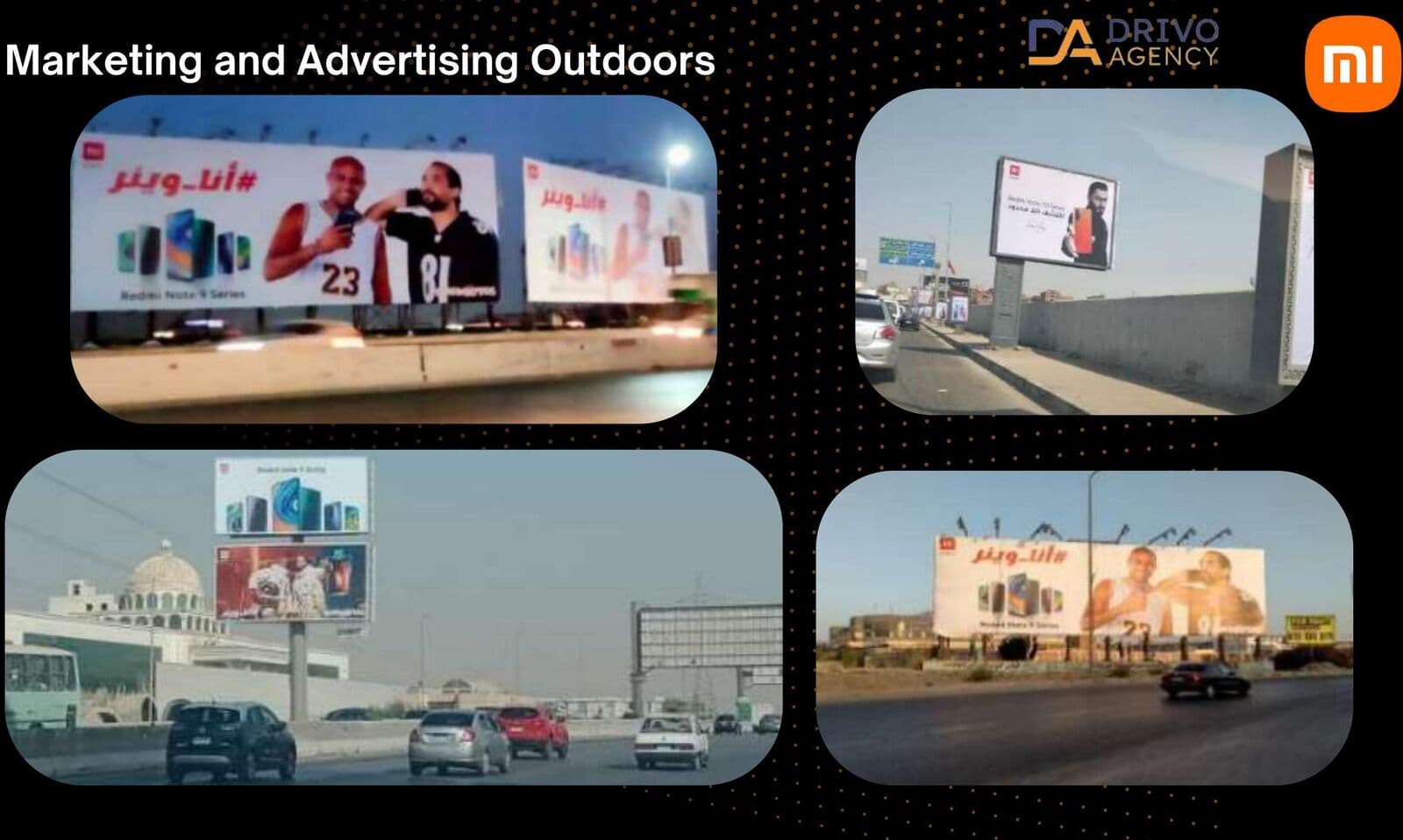
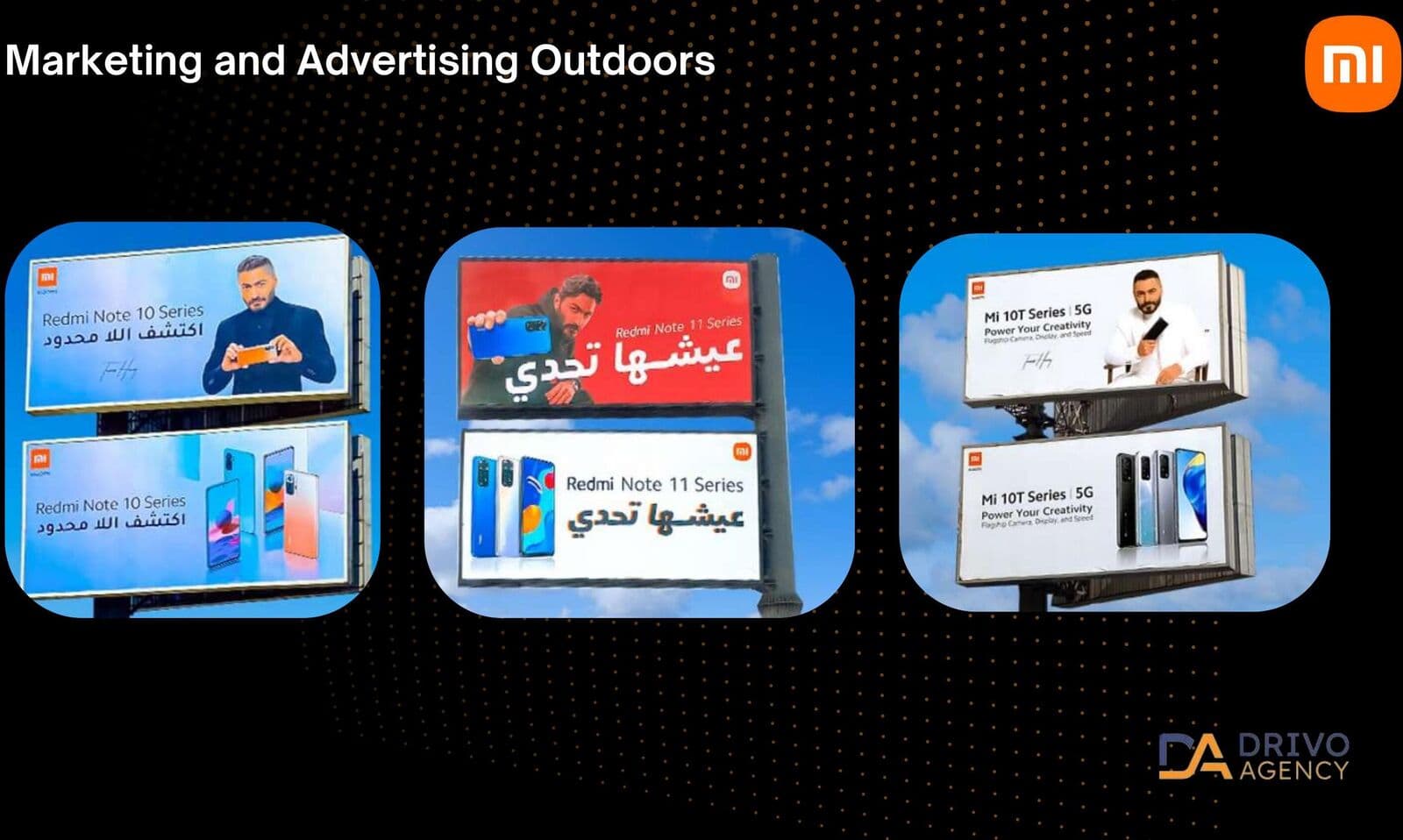
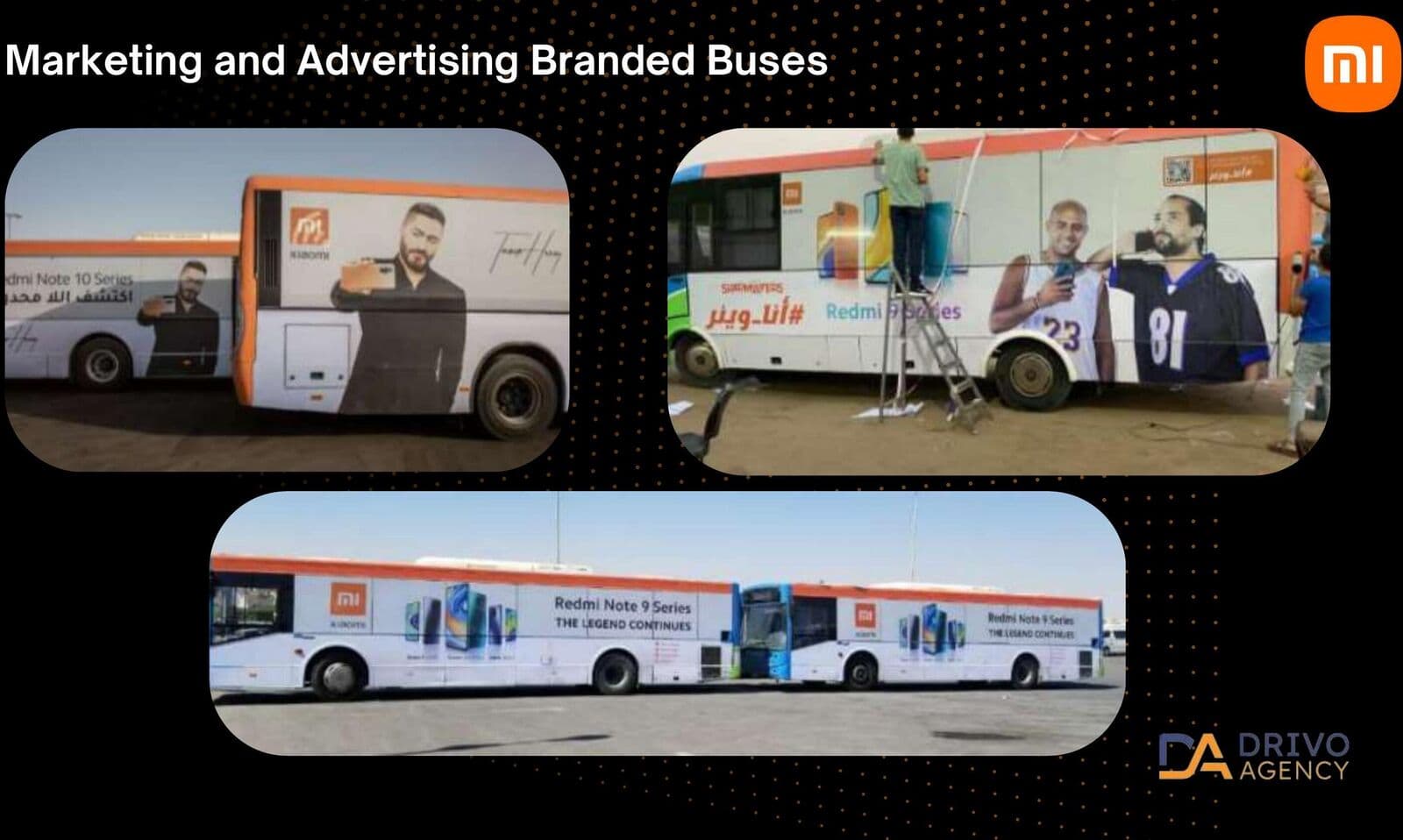
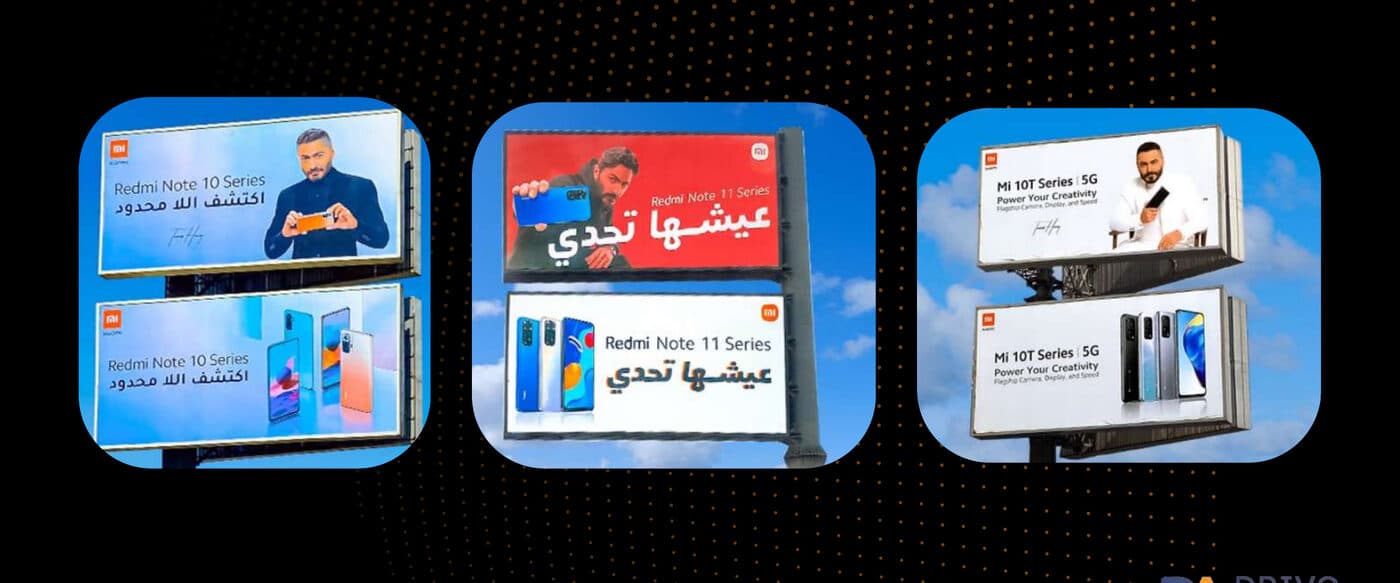
Dubai Phone's single Motorola billboard is tied to one revenue event — it exists to sell, this week. Xiaomi and Redmi's billboards, by contrast, run continuously across a series of separate product launches, doing an always-on mass-market awareness job rather than chasing a single conversion spike. Same medium, two different business goals: a revenue event versus sustained visibility.
Digital Campaigns
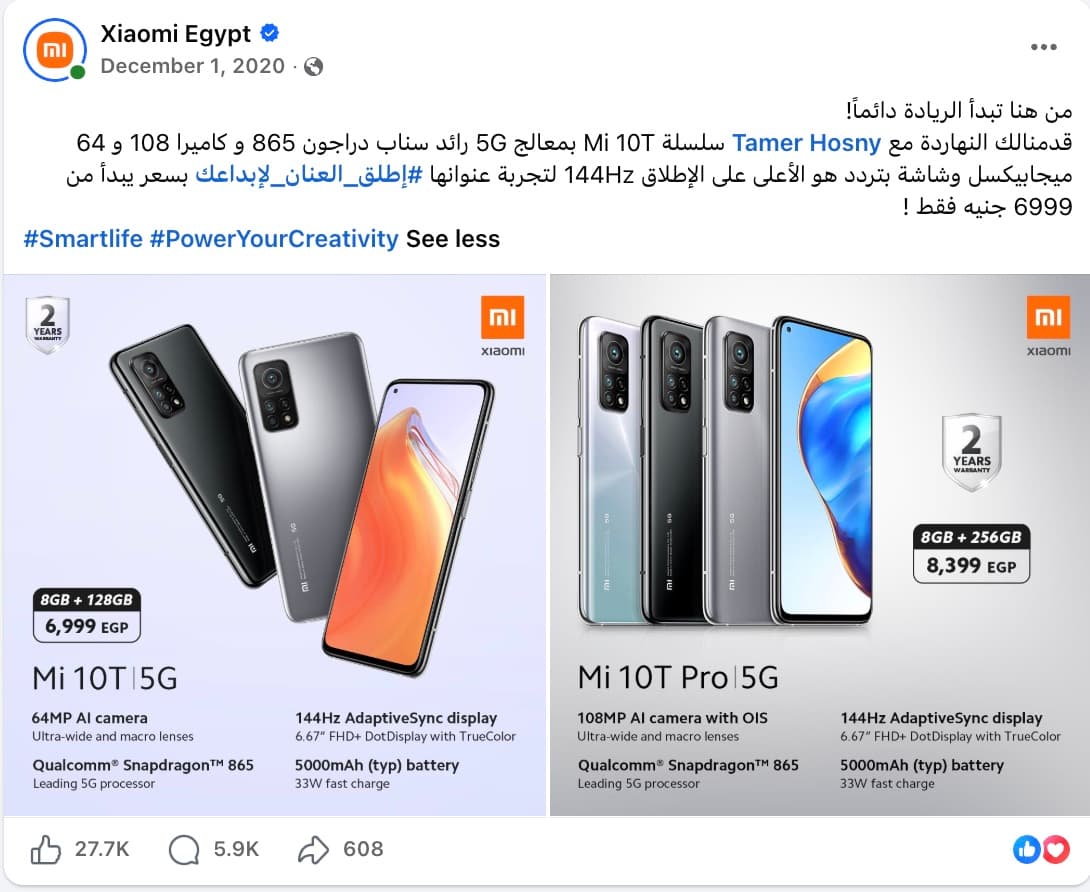
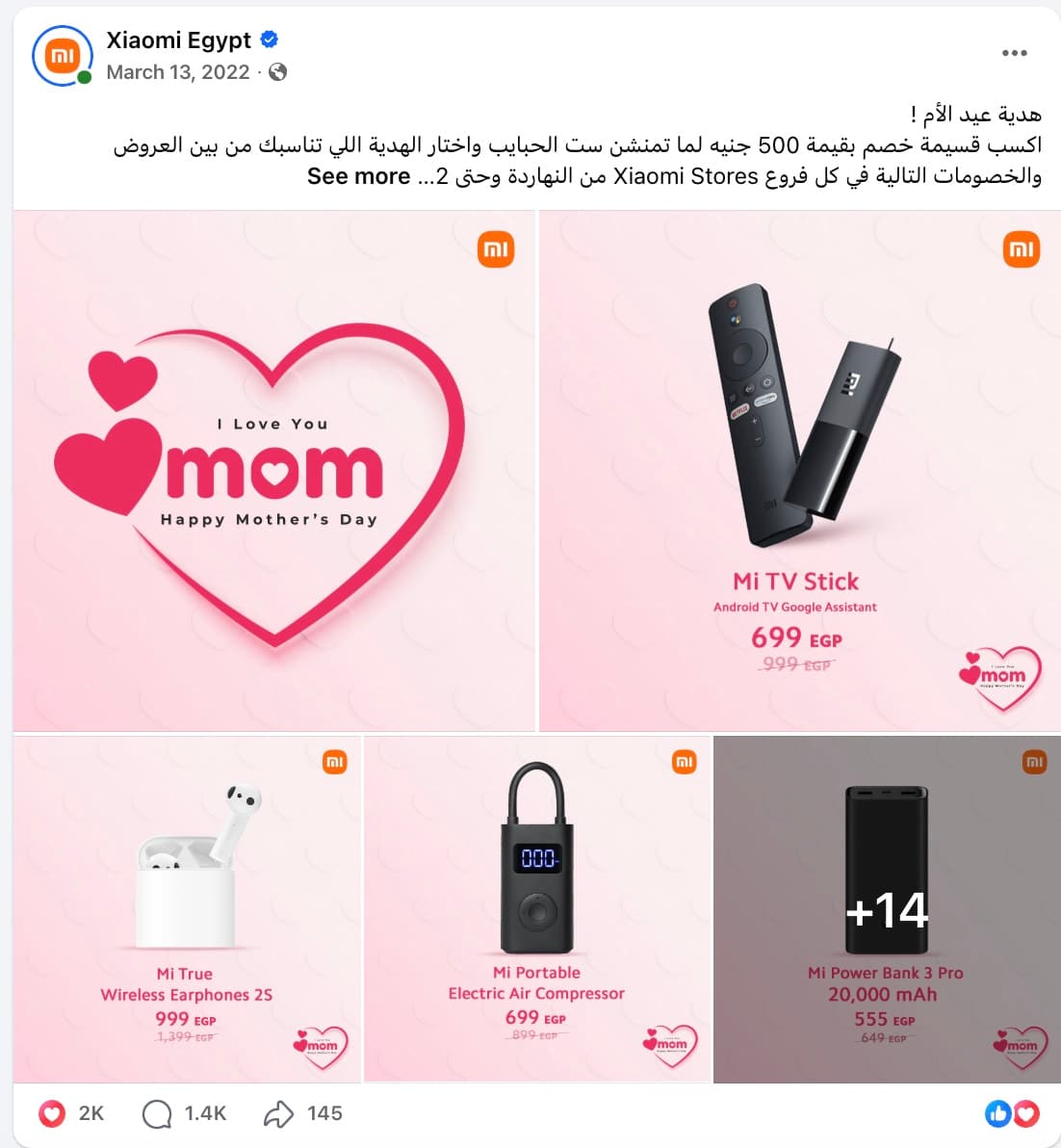
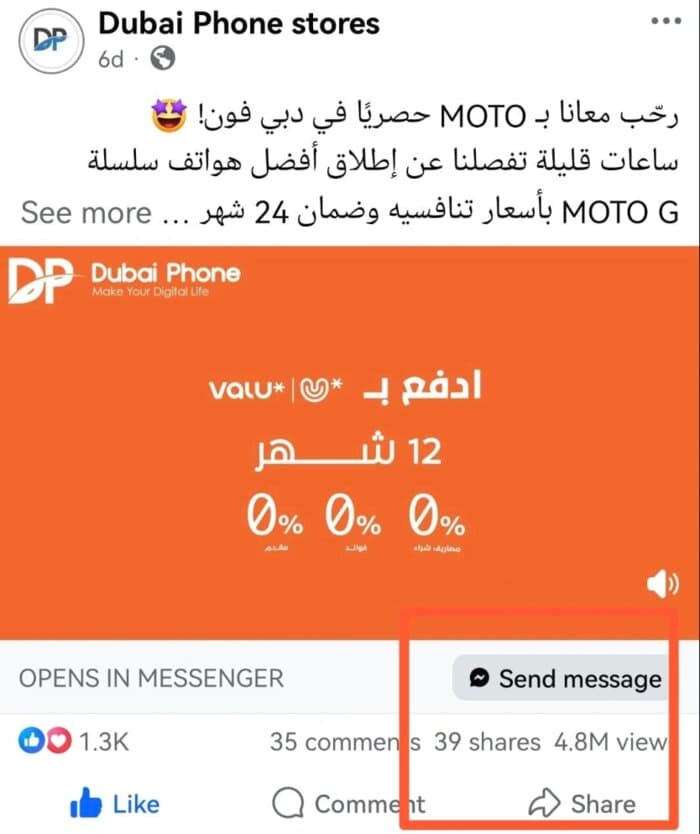
Xiaomi ran owned social as a running content calendar — launch news, seasonal moments, community posts — built for a continuous relationship with the audience. Dubai Phone's Motorola post served a narrower job: one piece of proof, cited to support a single campaign's reach claim. Both are legitimate uses of the same channel, aimed at different outcomes.
PR & Media
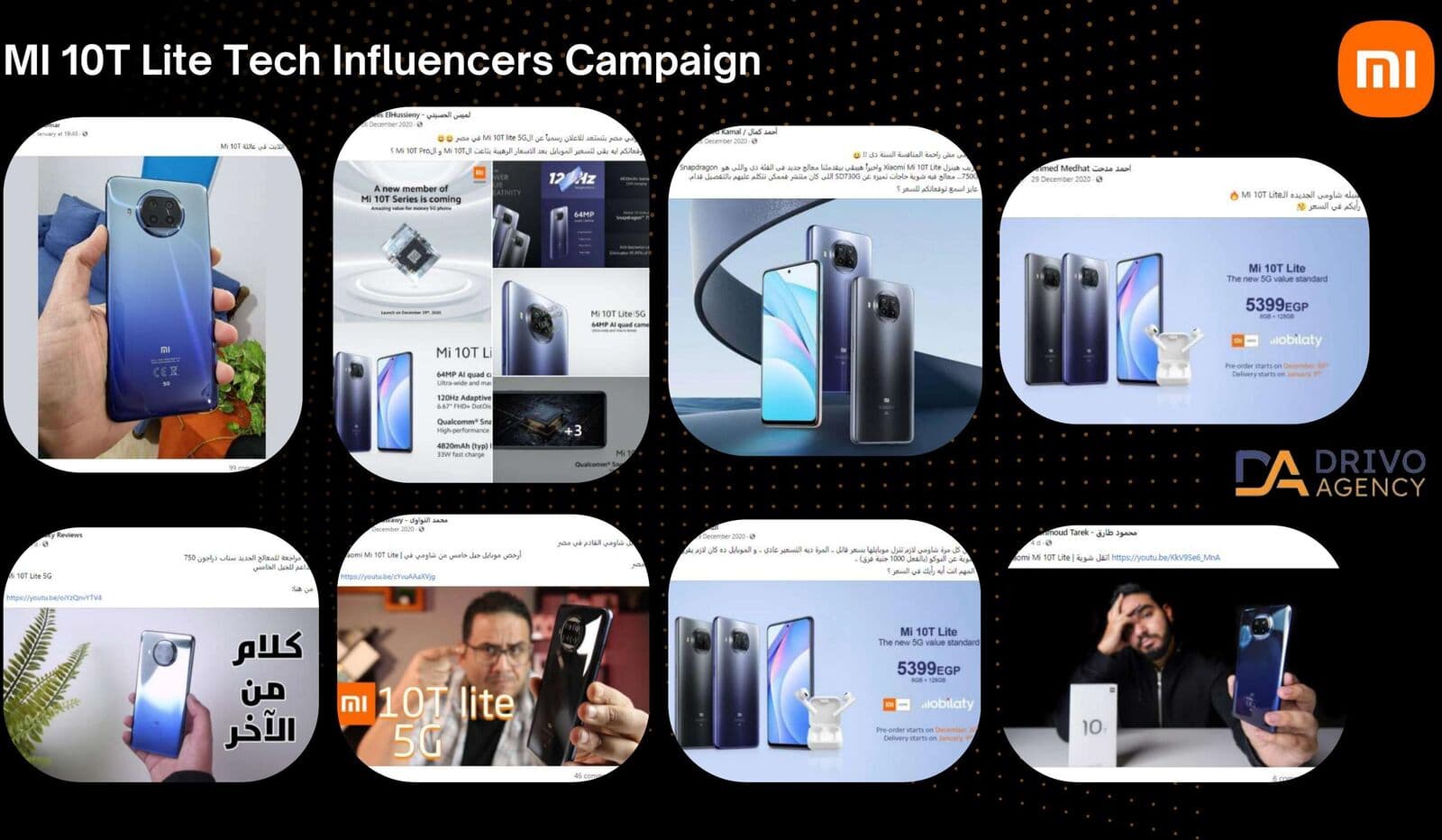
Earned coverage from named tech reviewers and pages, not paid placement — the credibility a paid post can't buy, and the one section of this domain with no other capability standing behind it. Named tech reviewers and pages covered the Mi 10T Lite launch on their own initiative — organic, hands-on coverage sitting alongside the paid channels above, not purchased placement. It's the one capability on this page with no paid or owned-channel equivalent standing behind it.
Influencer Marketing
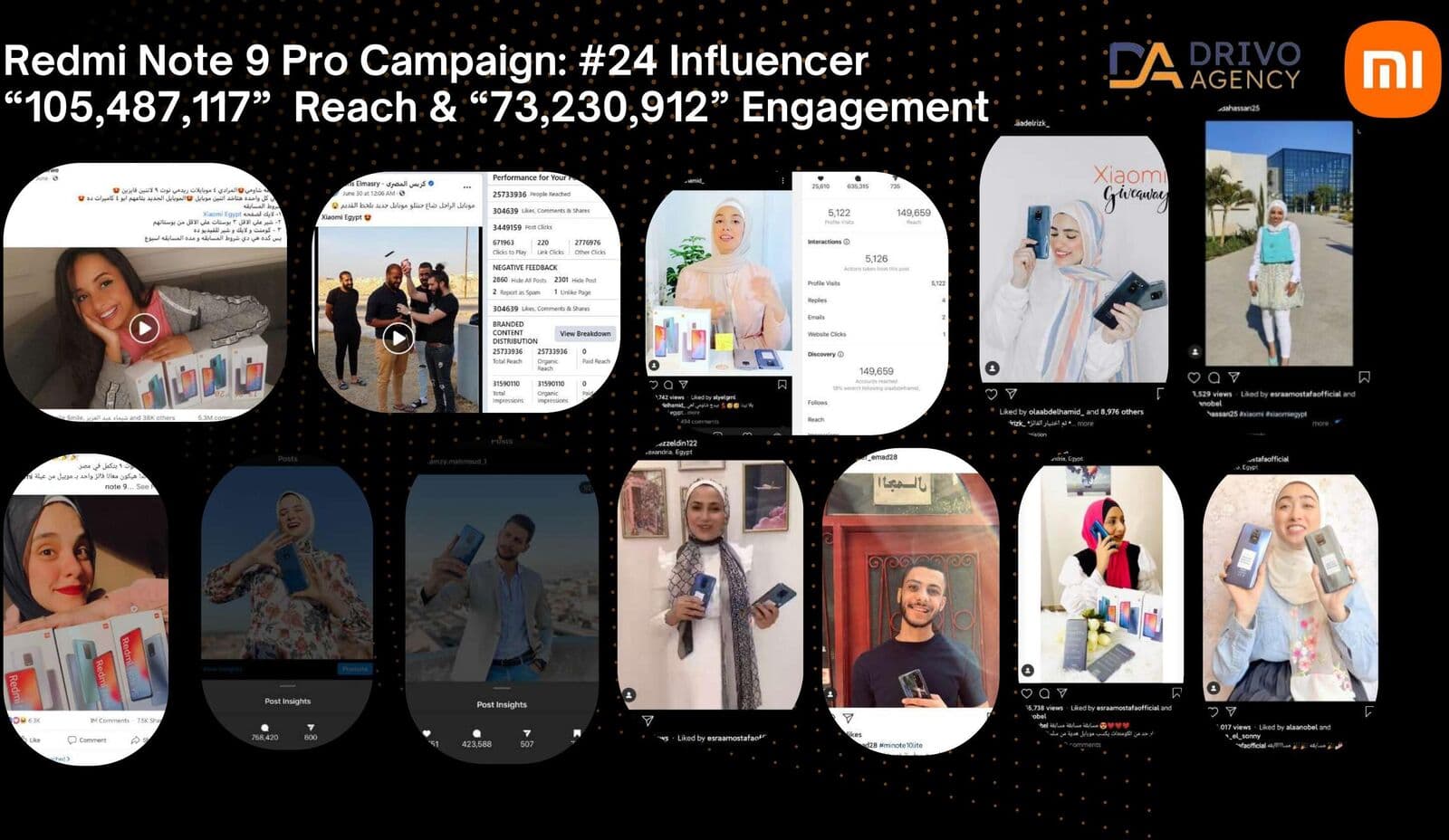
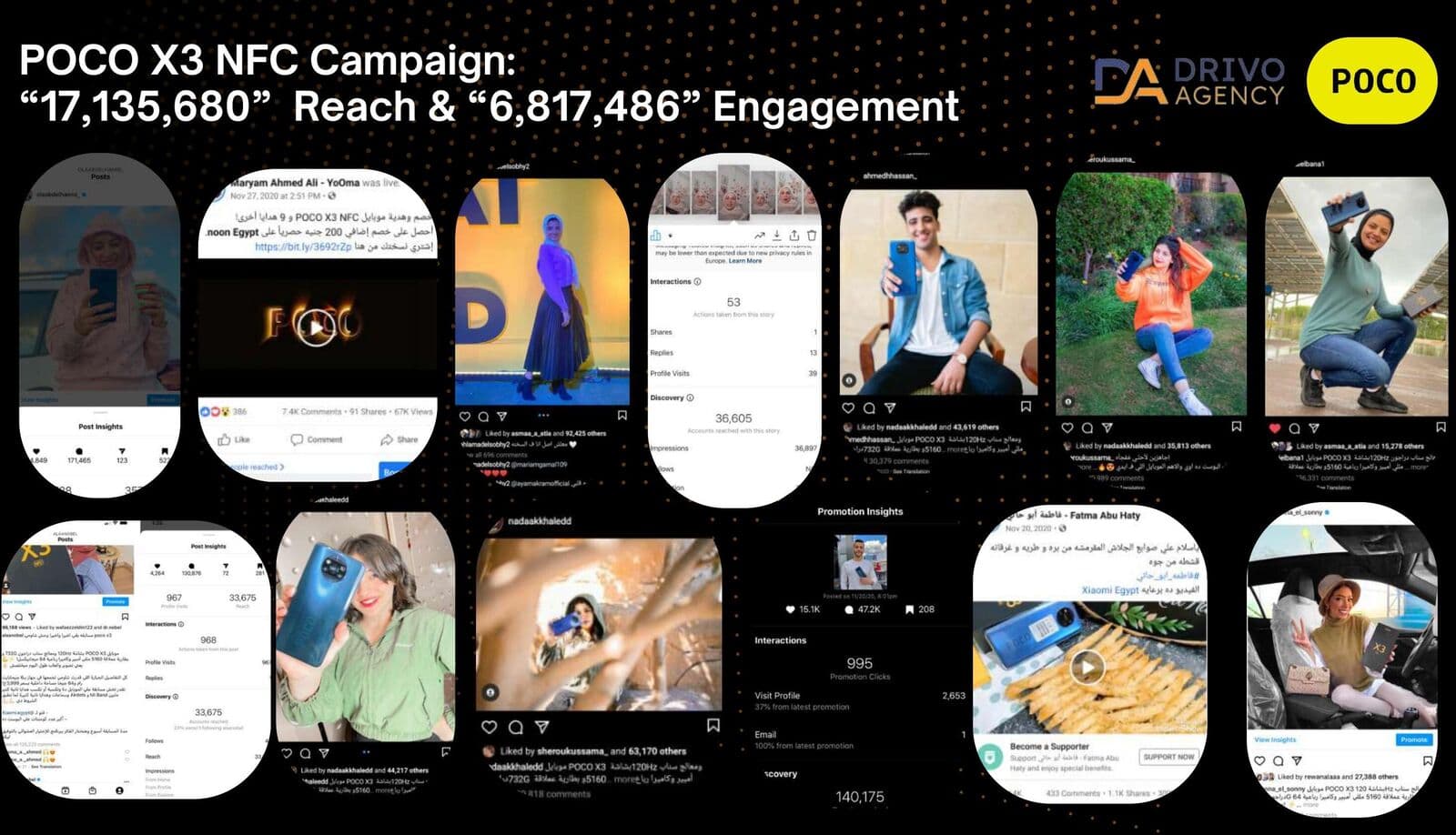
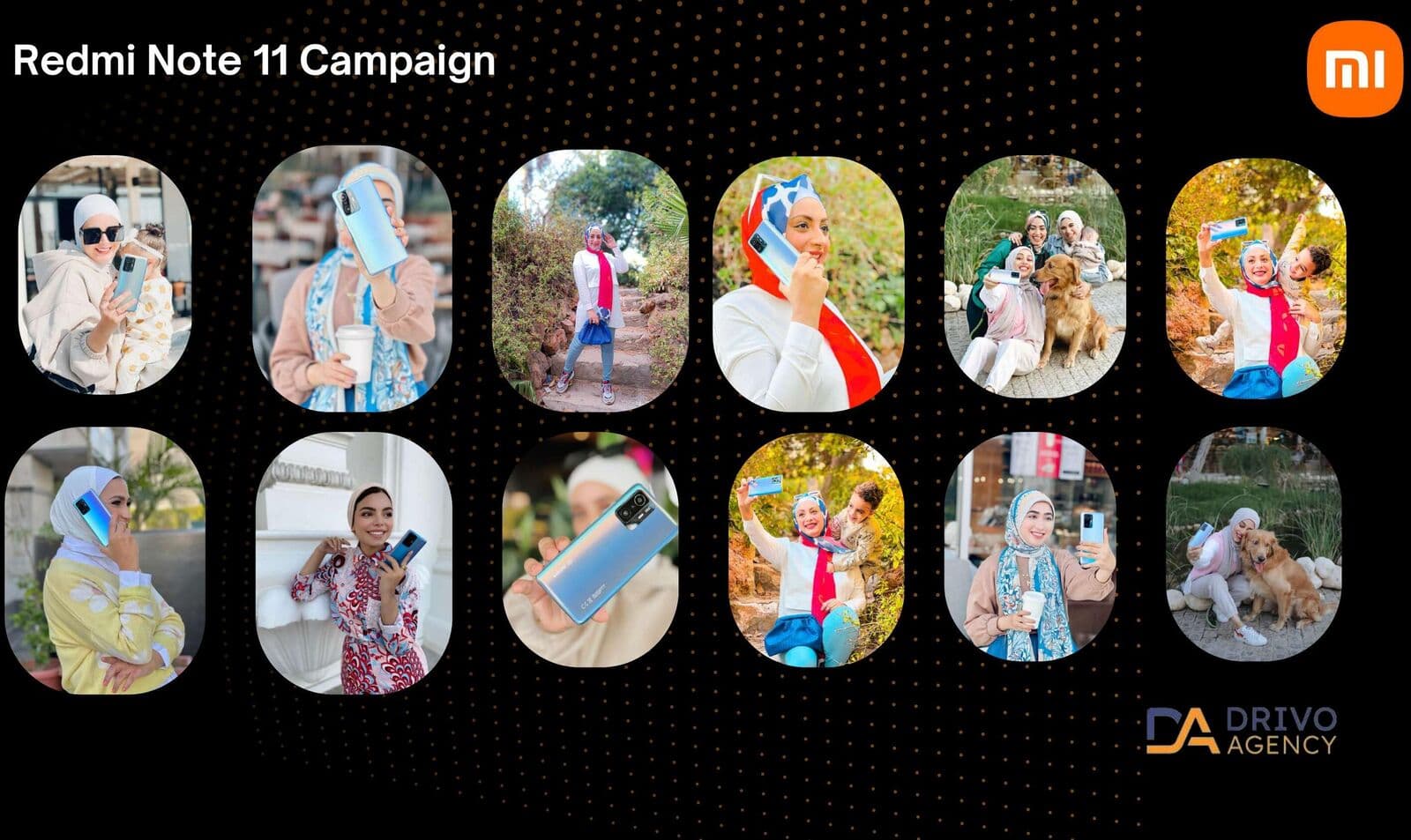
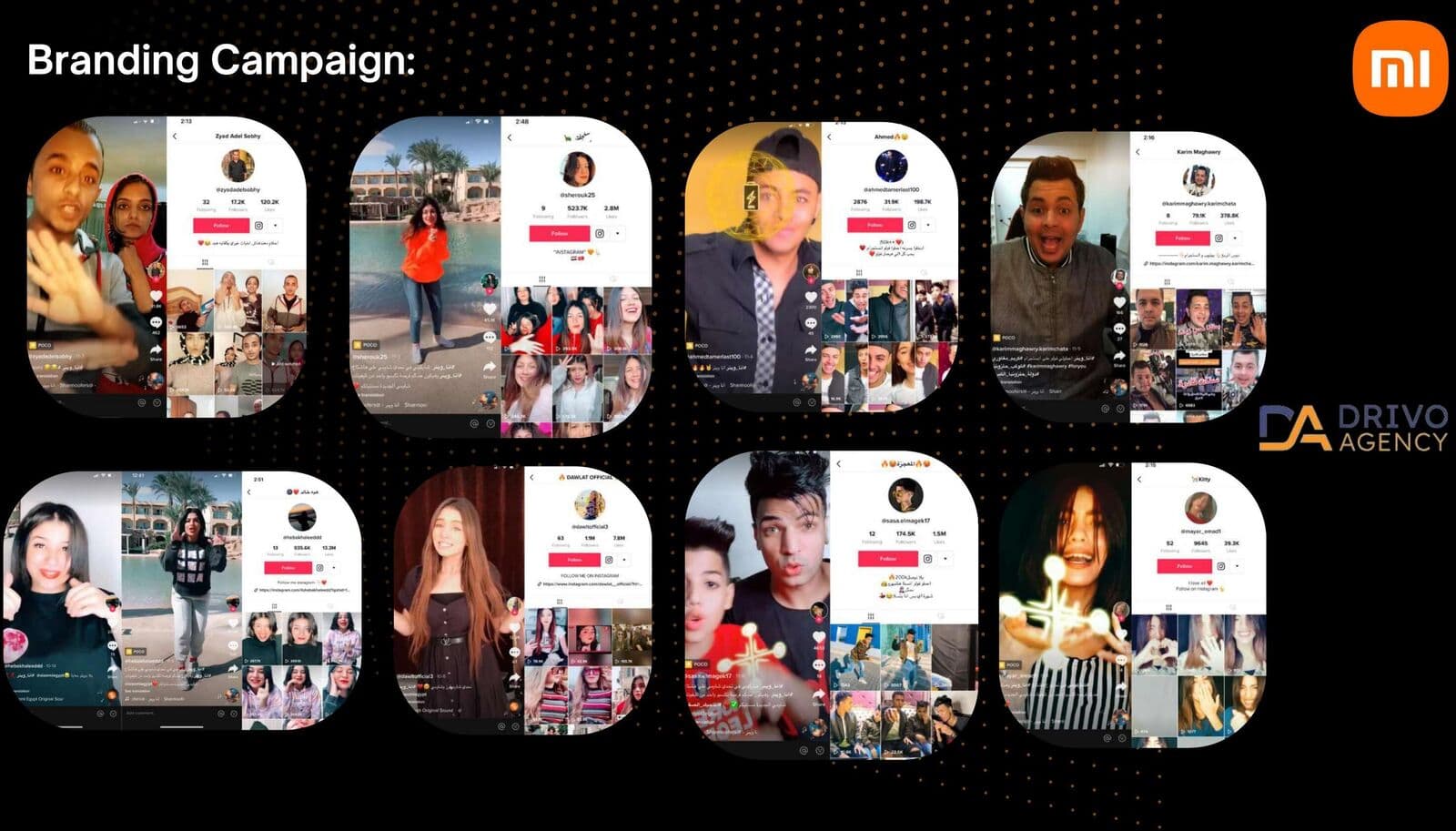
105.4M reach across 24 named Redmi Note 9 Pro creators, and 17.1M reach on POCO's X3 NFC program — both run from the same seat, at different price points, both built as a sum of individually-checkable creator posts rather than a single media-plan estimate. That's what makes the number worth citing. The Redmi Note 11 grid and the #أنا_وينر TikTok challenge extend the same discipline into a lighter-touch lifestyle wave and a participation mechanic — the latter shown at its honest weight: real creators and real followings, never presented as a campaign-attributed reach figure.
Events & Roadshows
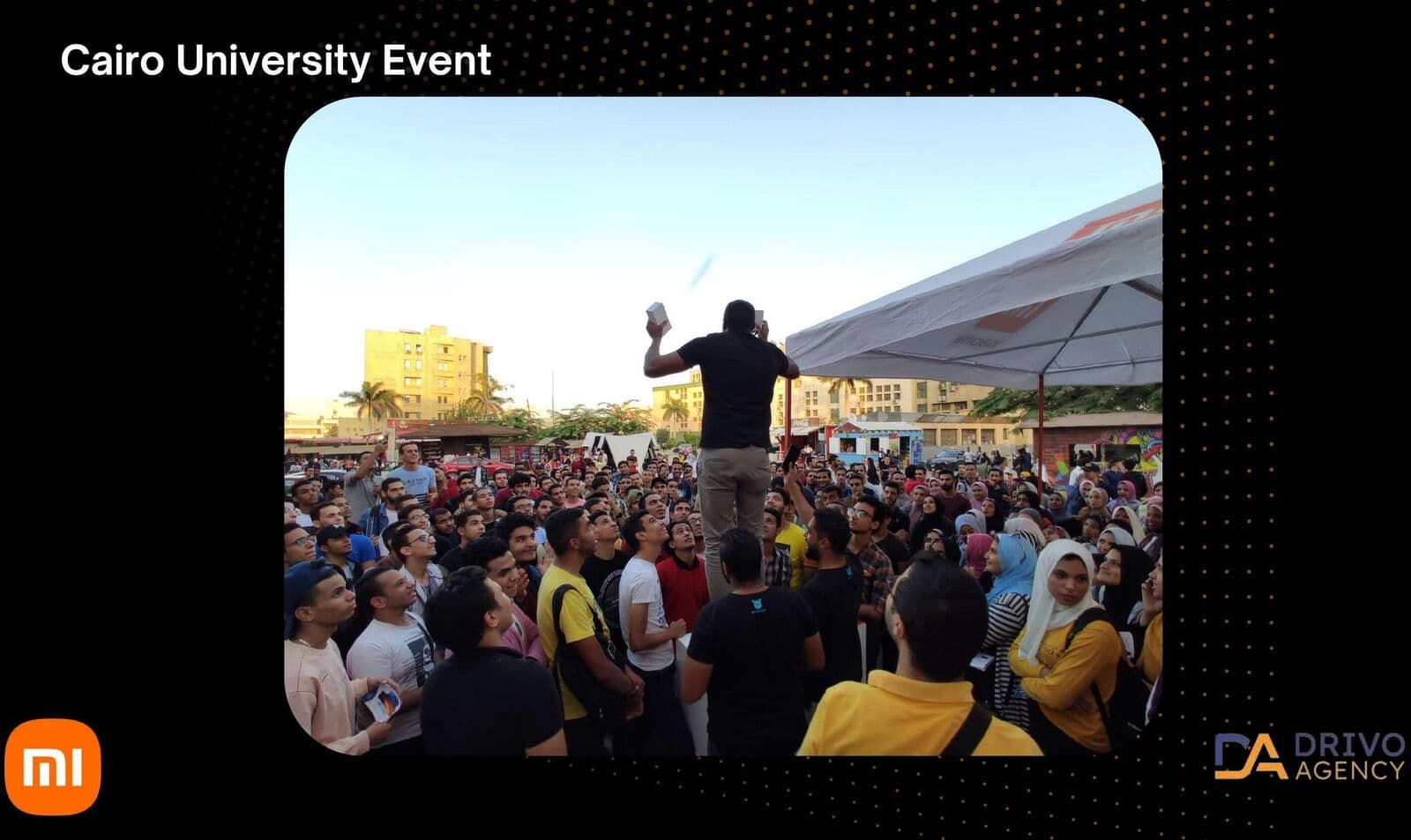
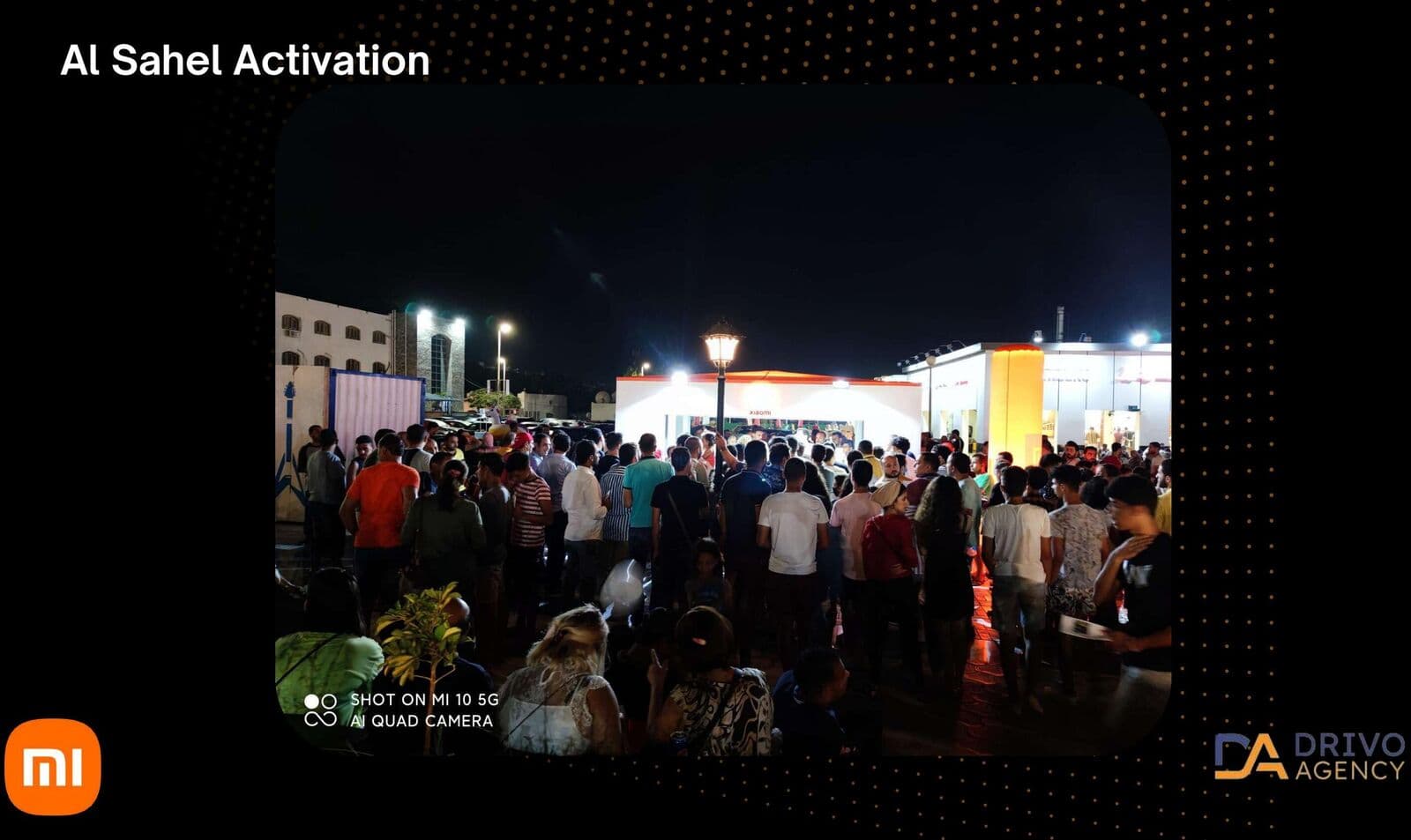
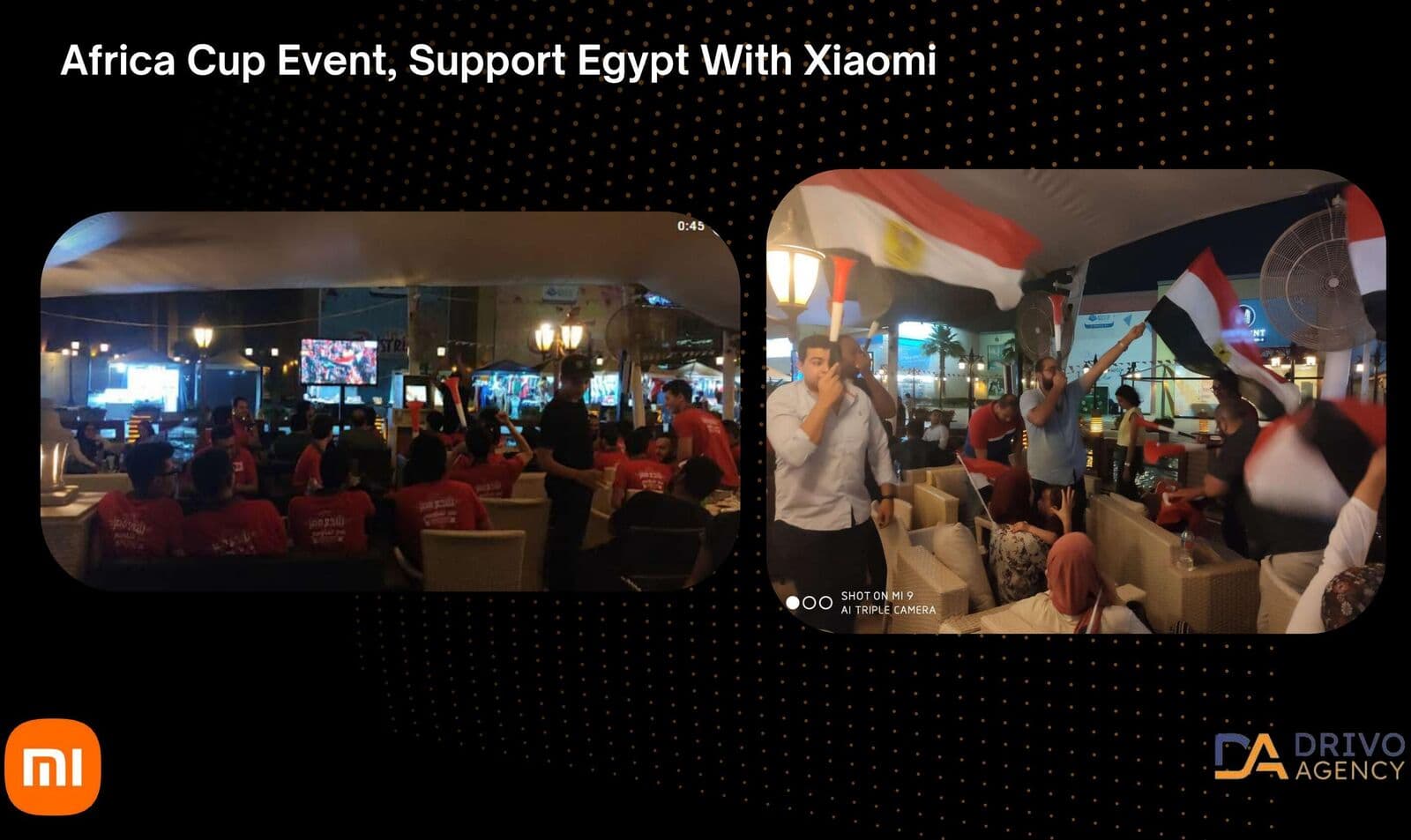
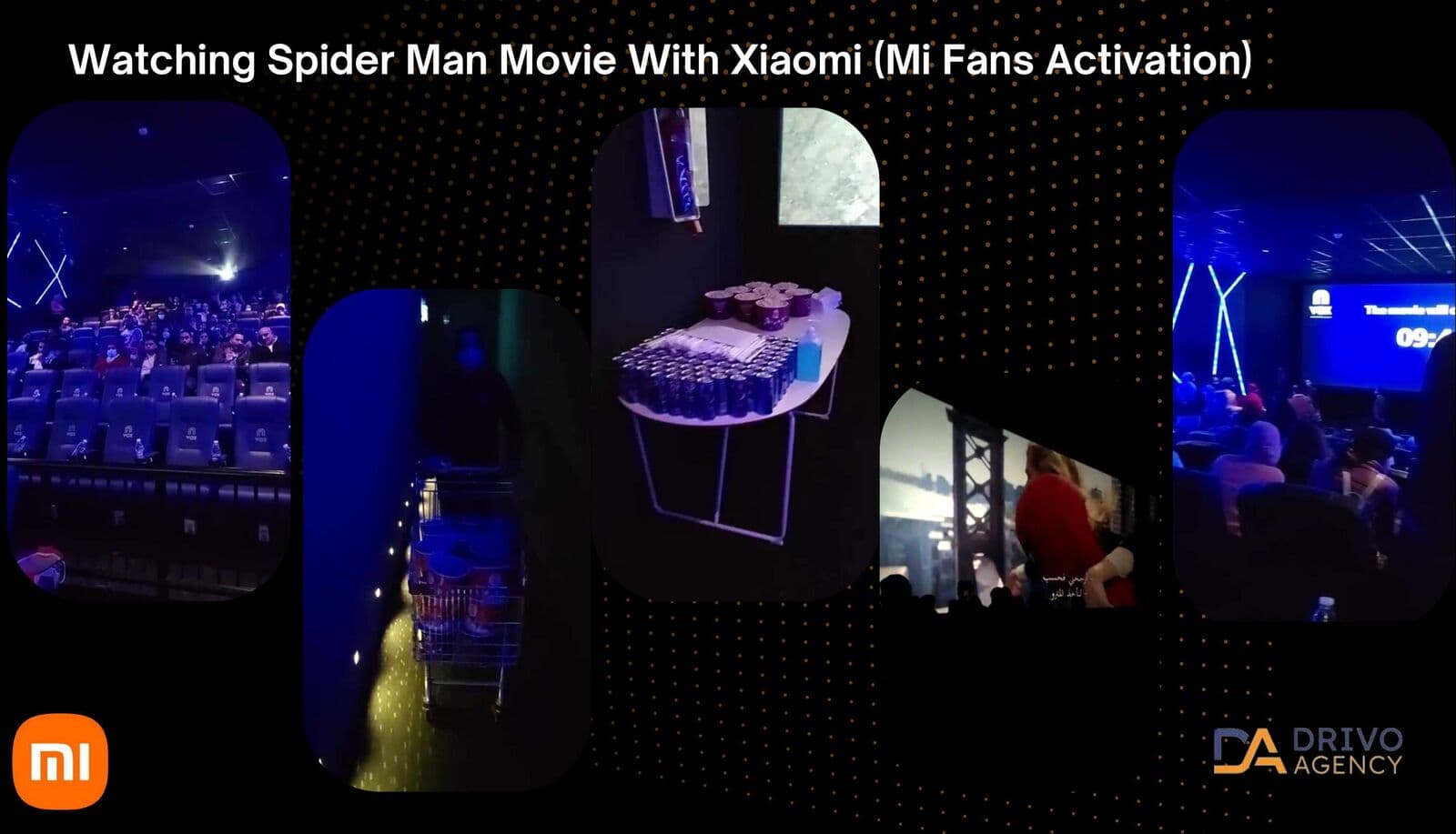
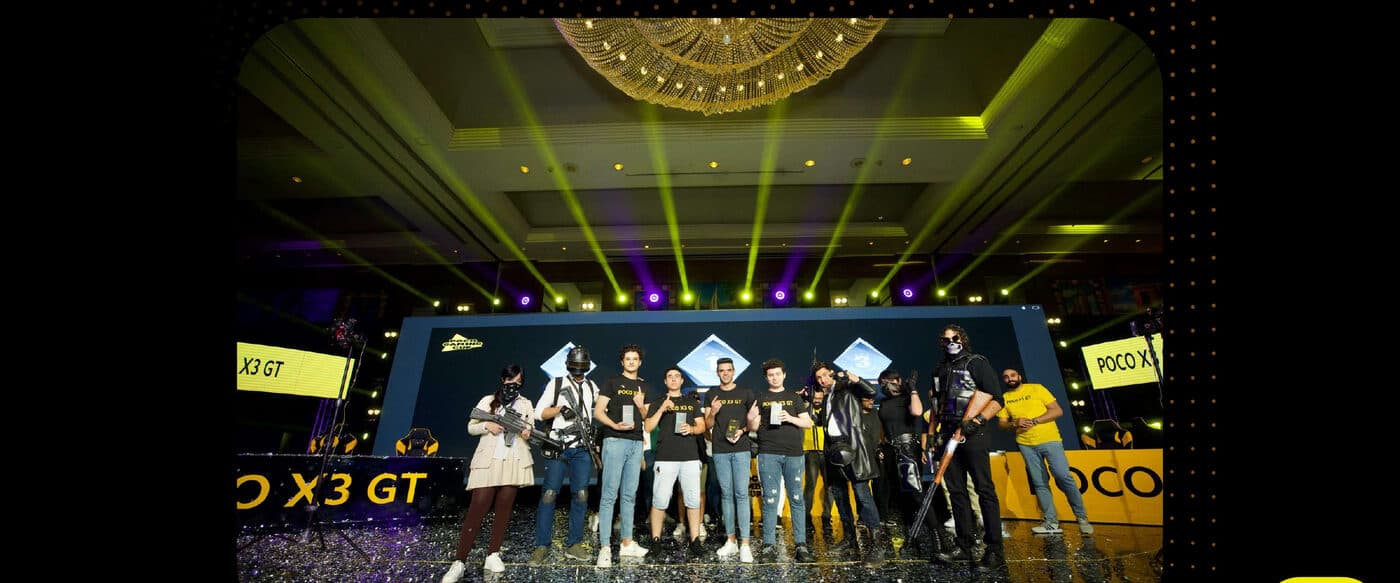
Six live formats, six different approaches: a full concert production with two celebrity headliners at Mansoura; a no-stage, work-the-crowd rally at Cairo University; a leisure-destination pop-up at Al Sahel that meets the audience on their own calendar; a fandom-moment activation during AFCON; a masked, reduced-capacity cinema partnership during COVID; and a gaming-culture spectacle for POCO. None of these is the platform's default activation — each format was chosen for the audience and the moment, not repeated out of habit.
Seasonal Campaigns
The clearest single proof on this page: the same Ramadan-season instinct, applied at two different employers, years apart, at two completely different budgets.
Xiaomi — a produced TVC, built on an existing platform
With a media budget and an established multi-year ambassador relationship already in place, the Ramadan objective was cultural relevance at scale: a fully produced TVC built around Tamer Hosny, distributed as paid television and digital media.
Tecno — the same instinct, with no media budget at all
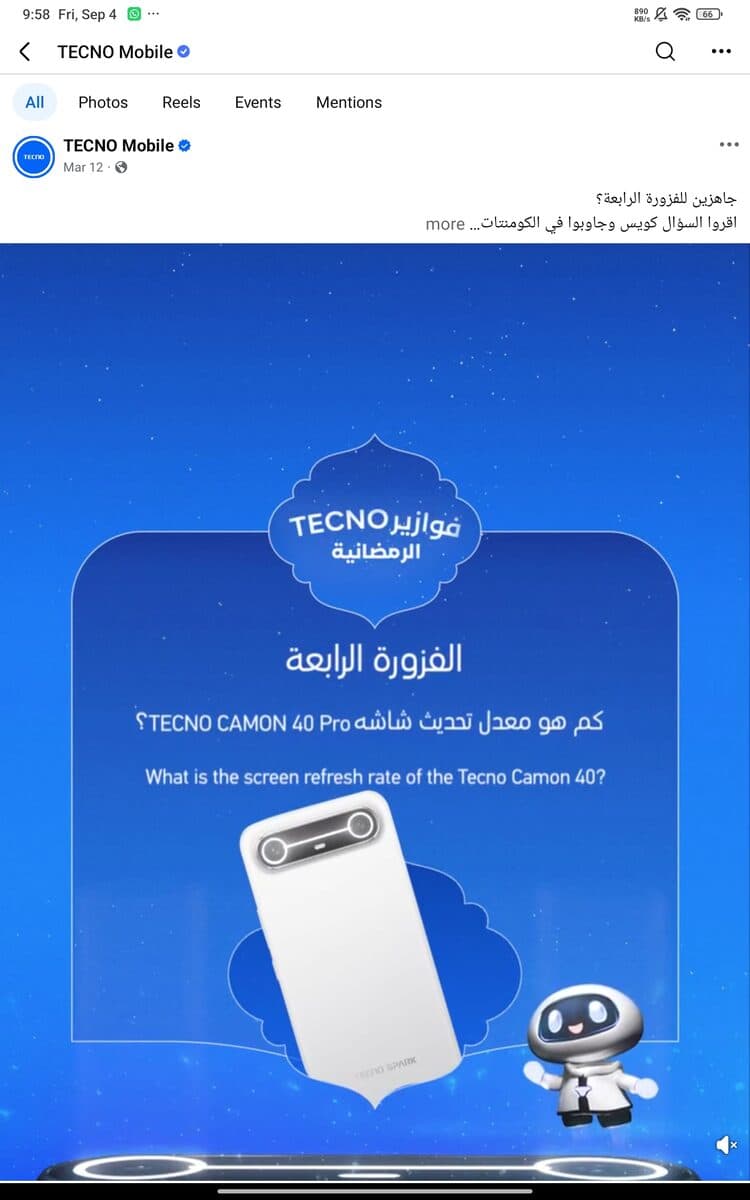
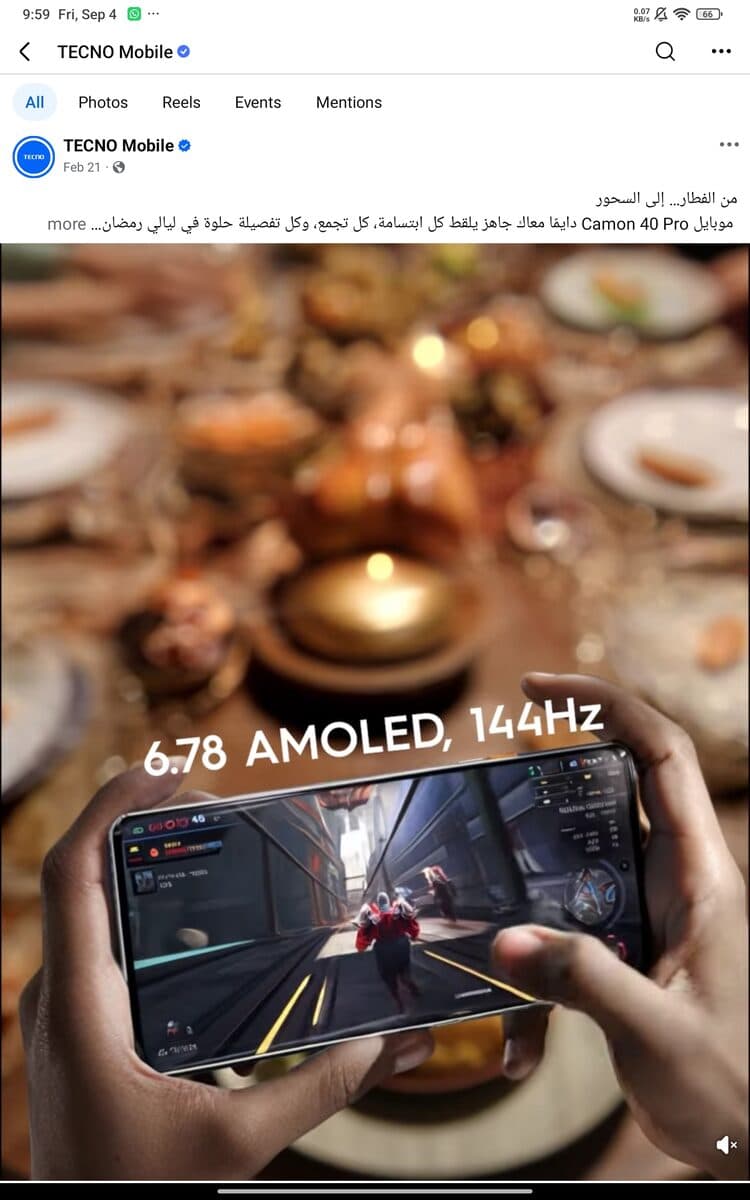
Two campaigns, both built entirely on organic reach and creative concept, with no paid media behind either. “Ramadan Riddles” revived the traditional Egyptian Fawazir (Ramadan riddle) format as a daily UGC contest — follow the page, tag two friends, comment the correct answer, winners announced on Stories — with the explicit goals of organic reach, awareness, engagement, and improved Google Trends visibility, while using each riddle's answer to teach a real Camon 40 Pro spec. “Don't Fast Alone” (متصومش لوحدك) paired the Ramadan fast with a genuine product truth — the Camon 40 Pro's battery life — through a deliberate wordplay: the phone “fasts” from charging all day, across gaming, series, and photography, on a single charge, mirroring the audience's own fast.
Neither Tecno campaign is judged here by reach — there was no budget behind either one to produce a number worth comparing to Xiaomi's paid-media scale, and holding a zero-budget idea to that bar would be the wrong comparison to make. What travels between the two employers isn't the production value; it's the same underlying discipline — find the emotional logic of the season and tie it to a real product truth — proven twice, at two completely different budgets.
Business Results
Every figure here is read from the same KPI row cited in the section it supports above — nothing on this page is retyped or restated as a new claim. Where a number couldn't be independently verified (the TikTok challenge's creator-level followings, the undated roadshow activations), it stays out of this list rather than being estimated.
Communication Playbook
- Match the lever to the objective. A celebrity relationship earns cultural relevance; a product truth earns conversion. Xiaomi's Tamer Hosny program and Dubai Phone's ambassador-free Motorola relaunch both worked — because each used the lever suited to what it needed to prove.
- A format is a tool, not a habit. The same TVC, billboard, or live-event format gets pointed at different jobs depending on what the business actually needs that quarter — never repeated by default.
- Reach is only a real number if it's auditable. Every influencer figure on this page is a sum of individually-checkable posts, not a media-plan estimate — the discipline that makes 105.4M a number worth citing.
- A cultural instinct outlasts the employer. The same Ramadan-season thinking that built a TVC at Xiaomi built a UGC contest and a battery-life metaphor at Tecno, years later, at a different company.
- Earned coverage is a capability, not a bonus. The PR wave behind the Mi 10T Lite didn't happen by accident — it's a distinct, practiced skill sitting alongside paid media.
- Verify before it becomes a claim. Every number on this page traces to a real source — a deck banner, a live post, a screenshot. An unverifiable number is worth less than no number at all.